

Find out about the difference between plagiarism and détournement

The concept of détournement has been part of our culture for almost 100 years, having its roots in the Dada art movement of the 1920s. While most people are likely not familiar with the word détournement, almost anyone who has seen the cover of a punk album or an underground cartoon has been exposed to this technique. Find out what it is and how far it strays into the realms of plagiarism.

1920s Marlboro Détournement
Détournement is basically a variation on a previous work of art that expresses a meaning opposite to that of the original. Also known as “turnabout” and “derailment,” détournement is the French word coined by Guy Debord and the Situationist International revolutionaries of the 1960s. The technique, however, was created in the 1950s by the Letterist International, a collective of radical artists and theorists. According to the Letterists, the intention was to turn “expressions of the capitalist system and its media culture against itself.” For example, well-known logos and slogans would be reworked to denigrate the status quo. This technique was reborn during the punk movement of the late 1970s and the culture jamming movement of the 1980s.

An example of detournement – Pepsi
Of course, détournement raises questions regarding plagiarism. The Merriam-Webster dictionary states that to plagiarize is to take credit for the ideas or words of another person, to use the ideas, words or product of another person without credit, or to take an idea or product from an existing source and present it as a new and original idea. Simply put, plagiarism is fraud, and it is not only unethical but illegal. In the United States, the expression of original ideas is considered intellectual property protected by copyright laws. Generally, this applies to any ideas that are recorded in some way, as in a book, on canvas, or in a digital file. In most cases, a simple citation of the original source prevents idea theft. So, returning to the original question, is détournement plagiarism?

Ronald McDonald détournement
In a word, yes, détournement is plagiarism since the source and meaning of the original work is subverted to create something “new.” In fact, according to the Situationists themselves, “there is no Situationist art, only Situationist uses of art.” Still, most people do not consider détournement to be theft so it is not often challenged legally. In fact, many compare it to satirical parody despite the fact that it directly reuses original works instead of merely alluding to them.
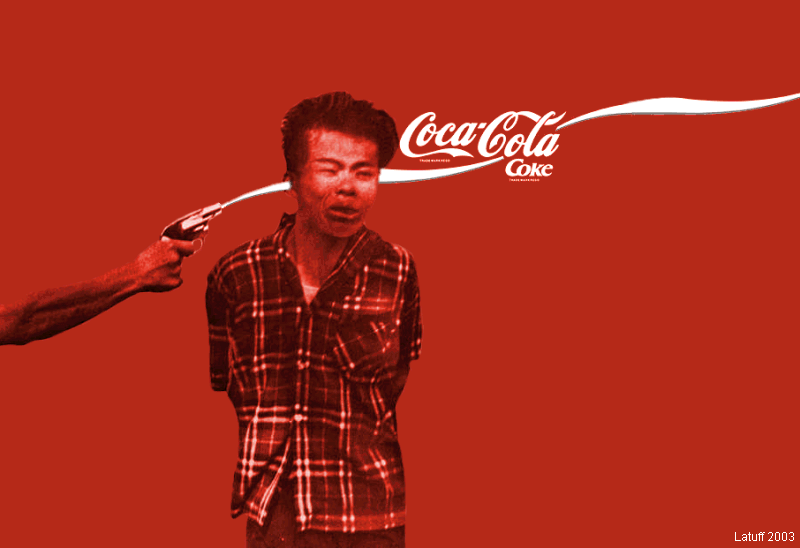
Coca cola détournement
It is obvious, however, that détournement has impacted popular culture for decades, influencing art, music, and literature while leaving behind a legacy of controversy. Surely, the Letterists would be pleased.
Image sources:
- Barbie: https://poesie.en.portraits.over-blog.com/15-categorie-11043777.html
- Pepsi: https://blog.websourcing.fr/design-une-libre-interpretation-du-logo-pepsi/
- Ronald McDonald: https://cataviera.blogspot.co.uk/2011/10/detournement.html
PlagPointer · Plagiarism + AI detection
Highly accurate
plagiarism & AI detection.
Detect copied text, paraphrasing and AI-generated writing in a single scan.
From 18p per 250 words
Both checks included. No subscription. Credits never expire.
- Over 99% AI detection accuracyA highly accurate detection engine with a low false-positive rate in provider testing.
- Search 60 trillion web sourcesCheck for copied and paraphrased text, with 16,000+ open-access journals covered too.
- Detailed, downloadable reportsSee matching sources and AI findings in a clear PDF report, saved to your account.
- Your work stays privateNo notifications to your university or employer. No shared database uploads by default.
*Choose plagiarism detection, AI detection, or both for the same price. AI detection requires at least 350 words.